

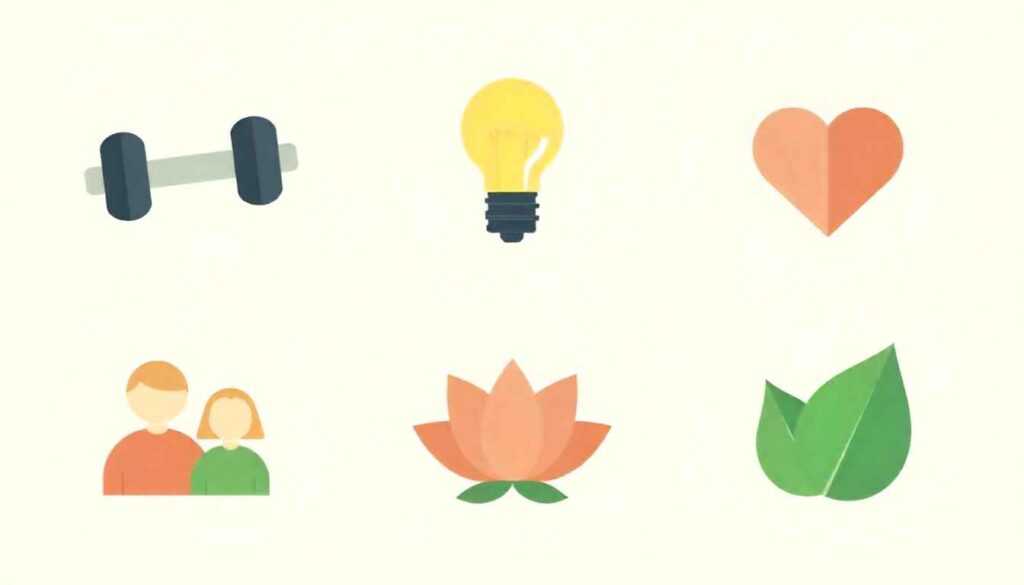
We often use the words “health” and “wellness” as if they mean the same thing. But there’s a subtle, powerful difference. Health is often the goal, while wellness is the active process of achieving it. It’s not just about being free from illness; it’s about thriving in all areas of your life. This is where the concept of the six dimensions of health and wellness becomes essential. Think of your well-being as a hexagonal table. If one leg is shorter than the others, the whole table wobbles. True, lasting wellness comes from nurturing each of these six dimensions. They don’t exist in isolation; they constantly influence and support one another. By understanding what they are and how they connect, you can build a more resilient, vibrant, and balanced life. Let’s explore each one.
The Physical Dimension: More Than Just Exercise
When people think of health, the physical dimension is usually the first that comes to mind. And for good reason, it’s the foundation. This dimension involves caring for your body to stay in peak condition, not just to prevent disease, but to have the energy to enjoy your life.
Key aspects of physical wellness include:
- Balanced Nutrition: Fueling your body with a variety of whole foods.
- Regular Physical Activity: Finding movement you enjoy, from walking to weightlifting.
- Adequate Sleep: Prioritizing 7-9 hours of quality rest each night.
- Preventive Healthcare: Attending regular check-ups and listening to your body’s signals.
The impact is clear. The Centers for Disease Control and Prevention (CDC) states that regular physical activity can reduce the risk of chronic diseases like heart disease and type 2 diabetes by up to 50%. But physical wellness is deeply tied to other dimensions. For instance, chronic stress (emotional) can lead to high blood pressure (physical), and a good night’s sleep (physical) is crucial for a sharp mind (mental).
The Mental (Intellectual) Dimension: A Curious and Active Mind
The mental dimension is all about keeping your mind engaged, curious, and open to new ideas. It’s the commitment to lifelong learning and challenging your brain. An active mind helps you build skills, solve problems, and navigate the world more effectively.
You can nurture your mental wellness by:
- Learning a New Skill: Taking up a language, instrument, or hobby.
- Reading and Exploring: Engaging with books, documentaries, and new topics.
- Creative Pursuits: Writing, painting, or playing games that require strategy.
- Staying Informed: Being open to new perspectives and critical thinking.
When you stop challenging your brain, it can become stagnant. This dimension connects directly to the social dimension, having stimulating conversations with others is a fantastic way to exercise your mind.
The Emotional Dimension: Understanding Your Inner World
Emotional wellness is your ability to understand, accept, and manage your feelings. It’s not about being happy all the time. It’s about having the tools to cope with stress, sadness, and anger in a healthy way, and to experience joy and contentment fully.
This involves:
- Self-Awareness: Recognizing your emotions as they arise.
- Stress Management: Developing healthy coping mechanisms like meditation or journaling.
- Resilience: Bouncing back from setbacks and adversity.
- Healthy Expression: Being able to communicate your feelings to others.
Someone can be physically fit and mentally sharp, but if they cannot manage their emotions, their overall well-being suffers. Emotional wellness gives you the capacity to build and maintain the strong relationships that define the social dimension.
The Social Dimension: The Power of Connection
Humans are inherently social creatures. The social dimension of wellness focuses on building and maintaining healthy, supportive, and nurturing relationships. It’s about having a sense of belonging and a reliable support network.
Key elements include:
- Communication Skills: Listening actively and expressing yourself clearly.
- Building a Support System: Cultivating friendships and family ties.
- Contributing to Your Community: Feeling connected to something larger than yourself.
- Setting Healthy Boundaries: Knowing when to say no to protect your energy.
Research consistently shows the power of connection. A famous Harvard study that has spanned over 80 years found that strong social relationships are the single biggest predictor of happiness and longevity. When your social wellness is strong, it provides a buffer against stress, directly supporting your emotional and physical health.
The Spiritual Dimension: Finding Purpose and Meaning
Spiritual wellness is often the most personal dimension. It doesn’t necessarily mean religion. Instead, it’s about having a set of values and beliefs that provide a sense of purpose and meaning in life. It’s understanding your place in the universe and feeling connected to it.
This can look like:
- Meditation or Prayer: Spending time in quiet reflection.
- Spending Time in Nature: Feeling awe at the natural world.
- Living By Your Values: Ensuring your actions align with your beliefs.
- Volunteering or Acts of Service: Finding purpose in helping others.
When you have a strong sense of purpose, the challenges in other dimensions can feel more manageable. Your spiritual foundation can provide immense emotional strength and guide your social interactions with more compassion.
The Environmental Dimension: Your Surroundings Matter
The final dimension looks outward at your surroundings. Environmental wellness is about living in harmony with your personal environment and the planet. It involves recognizing the responsibility you have to care for your immediate space and the larger world, and understanding how that environment, in turn, affects you.
This includes:
- Your Personal Space: Keeping your home and workspace clean, organized, and pleasant.
- Community Engagement: Supporting clean air and water in your local area.
- Sustainable Habits: Reducing waste and conserving natural resources.
- Connecting with Nature: Regularly spending time outdoors.
A cluttered, chaotic home can increase anxiety (emotional), while a clean, organized space can promote calm. Similarly, breathing clean air (environmental) is fundamental to your physical health. This dimension reminds us that we are not separate from our environment; we are in a constant relationship with it.
For more on creating a space that supports your well-being, explore our guide to building a calming home environment.
How the Six Dimensions Work Together
- The true power of this model is in its interconnectedness. You cannot work on one dimension without affecting the others.
- A stressful work environment (environmental) can lead to poor sleep (physical) and irritability (emotional), straining your relationships (social).
- Conversely, going for a walk with a friend (social and physical) can clear your mind (mental) and reduce stress (emotional), making you feel more connected and grateful (spiritual).
The goal is not perfection in every area every day. It’s about awareness. It’s about noticing when one dimension is wobbling and taking a small, intentional step to bring it back into balance, knowing that you are strengthening the entire structure of your well-being in the process.
The Final Word: Your Journey to Holistic Health
Understanding the six dimensions of health and wellness is like being given a map for a journey you’re already on. It doesn’t create new problems to solve; it gives you a clearer language for the challenges and triumphs you already experience. The purpose is not to add more to your to-do list, but to bring more awareness to the choices you make every day. By gently nurturing each dimension, you build a life that isn’t just about the absence of sickness, but about the vibrant presence of vitality, connection, and purpose. Your well-being is a lifelong practice, and every small, intentional step counts.
Frequently Asked Questions (FAQ Section)
1. Which of the six dimensions of health is the most important?
No single dimension is the most important; they are all interconnected and equally vital for holistic well-being. Neglecting one will inevitably affect the others over time. The goal is balance, not perfection in just one area.
2. How can I improve my wellness in all six dimensions?
Start small and focus on one tiny change at a time. You don’t need to overhaul your life. For example, you could decide to walk for 15 minutes (physical), call a friend during your walk (social), and use that time to listen to an interesting podcast (mental). This one action touches three dimensions.
3. Is the spiritual dimension only for religious people?
Not at all. While religion is a path for many, spiritual wellness is broader. It’s about your personal search for meaning and purpose, which can be found through meditation, nature, art, community service, or your own personal philosophy.
4. What is the difference between mental and emotional wellness?
This is a common question. Mental (or intellectual) wellness is about your cognitive abilities, learning, problem-solving, and critical thinking. Emotional wellness is about your ability to understand, manage, and express your feelings. They are closely linked but distinct.
5. Where is the financial dimension?
Some modern models include financial wellness as a seventh dimension. It is considered part of environmental or occupational wellness in the six-dimension model, as financial stress significantly impacts your living environment and sense of security.
All images in this blog post are generated with the help of Freepik.