

What is Occupational Therapy Assessment for Adults?
An occupational therapy assessment for adults helps you understand how well you handle your daily activities and where certain tasks may be getting harder. As life goes on, your abilities can shift because of injuries, illnesses, disabilities, or the normal changes that come with aging. This assessment gives you a clear sense of what needs attention so you are not left guessing.
Once you have this clarity, you can move into a process that shapes your treatment plan in a way that actually fits your day-to-day life. As you continue, you receive support that helps you stay independent, stay safe, and enjoy the best quality of life you can.
Why Are Occupational Therapy Assessments Important?
When you sit down with occupational therapists, they focus on much more than a medical condition. They spend time getting to know you as a whole person. As you talk, they pay attention to your physical abilities, your mental well being, the way your daily routines fit together, and even the environment you move around in. By looking at all of these parts of your life, they begin to understand what you need in order to function at your best.
Adult life brings a lot of responsibility, whether you are working, caring for family, or simply keeping your home in order. When one important skill starts slipping, it can affect you in ways you did not expect. You might notice frustration building. You may worry about making mistakes or feel less confident than you used to. When these feelings start to grow, an assessment helps you understand what has changed and what you can do to move forward with more comfort and control.
This is why occupational therapy assessments are helpful. As you go through the process, you start to notice things you may have brushed aside. You might realize that you tire more quickly, that certain movements cause pain, that small memories slip away, or that you feel emotionally stretched thin. These issues often stay quiet in the background until someone helps you see them clearly.
Once you understand what is really happening, you can begin addressing these challenges with confidence. The assessment gives you a clearer picture of your needs and what steps will help you the most. From here, you can work toward avoiding injuries, staying safe at home or at work, and continuing the activities that matter to you. With this clarity, you can make choices that support your independence and overall well being.
When Should Adults Consider an OT Assessment?
Many adults do not realize how much occupational therapy can actually help them. It is common to think it is only for people with major disabilities or serious medical issues, but that is not the case. If you have noticed that your everyday tasks feel harder than they used to, an assessment can help you understand what is changing and what kind of support could make life easier again.
Take a moment to think about your routine. Maybe getting dressed takes longer than it should. Cooking might leave you tired in a way it never did before. Paperwork might drain your energy quickly or feel confusing. Driving may feel stressful. Personal hygiene might feel like too much on certain days. You might feel your joints aching more often or notice that your balance is not as steady. The challenge is not always physical. Sometimes you feel irritated because everything takes longer, and that frustration keeps growing until you cannot ignore it anymore.
Your emotional health affects this too. Stress or anxiety can make simple tasks feel heavier, almost as if your mind is pushing back against you. When these struggles begin to interfere with your daily life, that is usually the sign that you need to pause and look at what is really going on. Occupational therapy can help you understand those changes and show you what kind of support will bring your routines back to a place where they feel manageable and comfortable again.
How Occupational Therapy Assessment Works for Adults
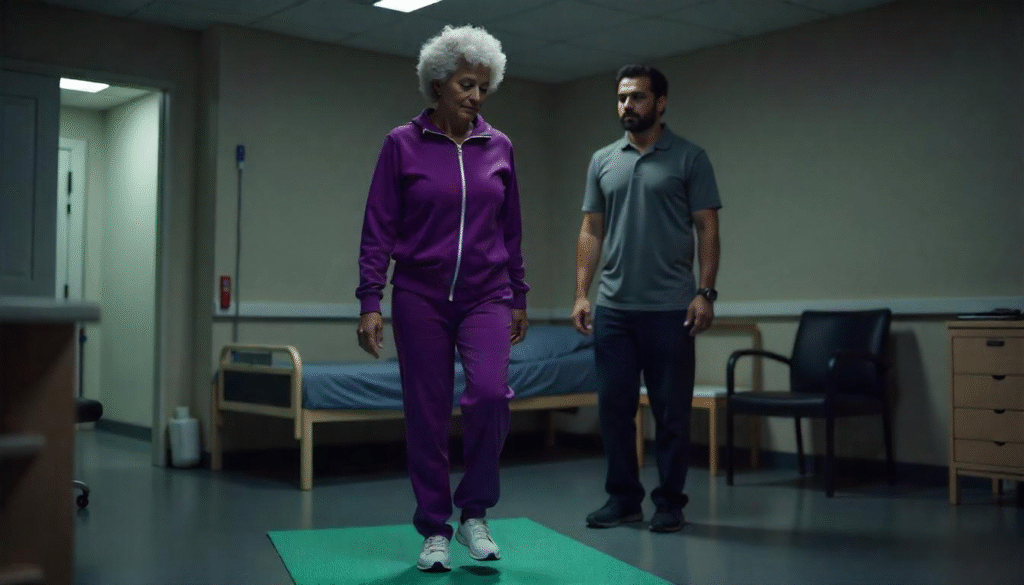
When you begin an assessment, the process usually starts with a natural conversation between you and the therapist. They talk with you to understand how your daily life feels, what challenges keep slowing you down, and what goals you want to reach through therapy. After this first discussion, the therapist often guides you through a few everyday tasks so they can see how you handle them in real time. You might change your clothes, prepare a quick meal, pick up small objects, or walk around the room while they observe your movements closely.
During these tasks, the therapist pays attention to far more than whether you can finish them. Instead, they watch how your body reacts as you move. They notice when certain motions trigger discomfort, when your posture becomes strained, and when your energy drops faster than expected. They also watch for the moments when you need an extra pause, because these small details reveal patterns you may not see yourself. As a result, the therapist gathers information that helps them build a plan designed exactly for your situation.
The assessment goes deeper into your physical abilities as well. The therapist checks your muscle strength, joint flexibility, balance, and coordination. At the same time, they look at your cognitive skills, including your memory, attention, and the way you approach problems. Your emotional well-being matters too, because your mental state influences how you manage and adapt to daily tasks.
To complete the overall picture, the therapist also reviews your living or working environment. They look for things that might create risks, slow your progress, or make simple routines more difficult than they need to be. Through this combined understanding of your abilities and surroundings, the therapist can develop a plan that truly supports your goals.
Common Tools Used in Adult OT Assessments
While each therapist chooses tools based on your unique situation, some frequently used methods include:
- The Canadian Occupational Performance Measure (COPM): Helps identify what matters most to you and measures progress over time.
- Functional Independence Measure (FIM): Rates how independently you perform daily activities.
- Manual Muscle Testing (MMT): Checks strength in specific muscle groups.
- Timed Up and Go (TUG): Times how fast you stand up, walk a short distance, and sit back down often used for fall risk.
What Happens After the Assessment?
After the therapist gathers everything they need, they review it with care and then create a plan that truly fits your situation. The plan stays simple, practical, and easy to follow, and it focuses on changes that can actually help you right away.
If joint pain slows you down, the therapist shows you easier ways to move while you dress or cook, so you protect your body each time you reach or bend. If certain tasks feel annoying or overly tiring, they suggest helpful tools that make life easier. For example, you might use kitchen utensils with comfortable grips or follow advice that helps you button shirts without frustration.
As the therapist studies your home setup, they often notice things you might overlook. Sometimes your surroundings make daily routines harder than they should be. Maybe a chair blocks your path and forces you to twist your body. Or maybe adding a grab bar in the bathroom helps you feel safer every time you wash up. In other cases, the lighting might feel too dim in areas where you need to see clearly, and as a result, the chance of mistakes or accidents increases. When you notice these details, you can start making changes that keep you moving comfortably and confidently through your day. These changes do not aim to alter how your home looks. Instead, they remove small problems that keep adding unnecessary stress.
In the end, everything connects back to one main goal. The therapist wants you to feel more in control of your day and to stay as independent as possible.
Step-by-Step Example: OT Assessment for Adults
Let’s walk through what an actual assessment might look like:
- Interview and history-taking: The therapist asks about your life, routines, concerns, and medical background.
- Observation: You’re asked to perform a few daily tasks like dressing or preparing a sandwich.
- Testing: The therapist may check muscle strength, flexibility, or memory with quick tests.
- Analysis: The therapist notes how you move, whether you look tired, or if you need help.
- Feedback: You discuss the findings together and set meaningful goals.
- Treatment planning: A program is created to help you improve, adapt, or learn new ways to handle challenges.
Benefits of Occupational Therapy Assessments for Adults
An occupational therapy assessment isn’t just about finding what’s wrong. It’s about figuring out ways to make your life easier and safer. A lot of people are surprised by how small changes can make a big difference. You might learn few tricks to save energy, so you can get through your day without feeling drained. You could start managing chores or taking care of yourself more confidently, or even get back to hobbies you thought you’d have to give up.
The best part is that it helps you stay independent. That means relying less on other people and delaying the need to move to assisted living. It’s really about helping you keep control of your life and doing the things that matter to you, on your own terms.

Myths about OT Assessments for Adults
There are a few myths about occupational therapy assessments that just will not go away. Many people think it is only for those with serious disabilities but even small issues like joints hurting occasionally or forgetting things can be helped.
Some worry that asking for help means losing independence. That is not true. Most of the time it actually helps you stay in control of your life. Another myth is that it is too late to learn new ways of doing things. Therapists can help adults of any age pick up new skills and strategies that make daily life easier and less stressful.
Conclusion
Occupational therapy assessments for adults are really useful for noticing the little things that make everyday life harder. They are not just about pointing out problems but about finding ways to make life safer and easier while helping you stay independent and confident. It could be learning how to manage joint pain, improving memory, or making your home a bit safer. If you have been feeling that daily tasks are getting harder, it is worth seeing what occupational therapy can do for you.
If you’re eager to learn more about occupational therapy, techniques for daily living, or broader health and wellness topics, visit the DodewMart blog. It’s packed with expert knowledge designed to empower and inform, helping you stay in control of your health journey.
All images in this post are generated by Freepik.