
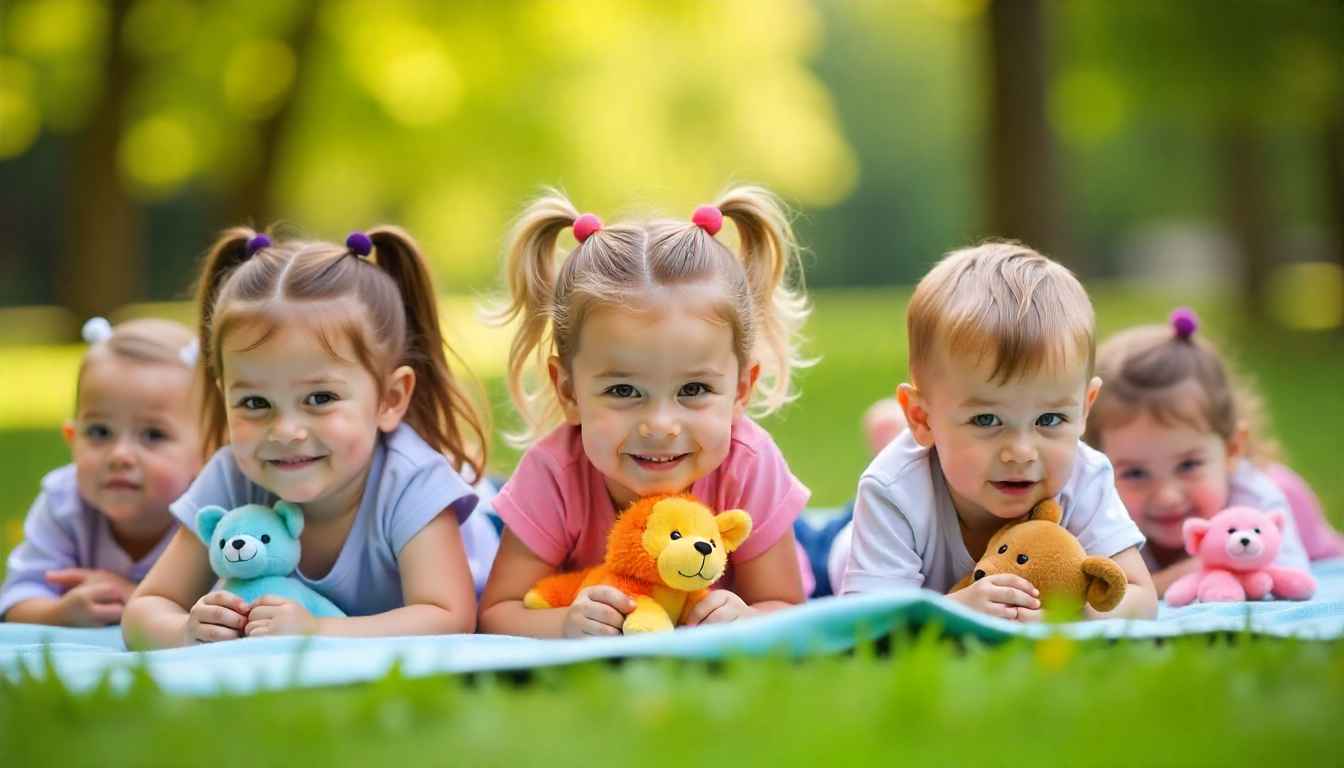
The morning rush is chaos. A half-eaten piece of toast, a frantic search for a shoe, and a plea to “just brush your teeth!” that falls on deaf ears. Sound familiar? In our busy lives, the idea of adding “children’s wellness” to the to-do list can feel overwhelming. But what if it wasn’t another task? Ultimately, teaching kids about well-being isn’t about strict rules or adding pressure. Instead, it’s about weaving small, sustainable threads of care into the fabric of your daily life. Consequently, this guide will show you exactly how to introduce wellness habits to kids in a way that feels natural, fun, and empowering for everyone involved.
Why Children’s Wellness is More Crucial Than Ever
First, let’s understand the “why.” A 2022 report from the American Academy of Pediatrics highlighted a significant rise in childhood anxiety and obesity. Therefore, establishing a strong foundation of healthy habits for kids is no longer a luxury; it’s a necessity for their development. Importantly, wellness isn’t just about physical health. It’s a holistic approach that encompasses emotional regulation, mental resilience, and social skills. By starting early, you equip your child with an internal toolkit to handle life’s challenges. Furthermore, these habits, when formed in childhood, are far more likely to stick for a lifetime, setting the stage for long-term health and happiness.
Laying the Groundwork for Success
Before you launch a full-scale wellness plan, it’s vital to set the stage. The goal is integration, not overhaul.
The Core Principles to Introduce Wellness Habits to Kids
1. Lead with Authenticity, Not Perfection
Kids are incredibly perceptive. They won’t do what you say; they’ll do what you do. For instance, if you talk about the importance of mindfulness while constantly stressed and on your phone, the message gets lost. Instead, model the behavior. Let them see you taking deep breaths when you’re frustrated. Similarly, involve them in your walk around the block. Your genuine actions speak louder than any lecture.
2. Focus on Feeling, Not Just Doing
The concept of “wellness” is abstract for a child. So, connect habits to tangible feelings. After a session of stretching, you could say, “Doesn’t it feel good to move our bodies?” Or, following a calming bedtime story, ask, “Isn’t it cozy to feel so relaxed?” This helps them build an internal motivation based on how the habit makes them feel, rather than just following an external rule.
3. Keep it Simple and Sequential
Overwhelming a child with too many new rules is a recipe for resistance. Instead, start with one small, achievable habit. For example, master a consistent bedtime routine before tackling morning chaos. Once that one habit becomes automatic, then you can gently introduce another. This sequential approach builds confidence and ensures lasting success.

Actionable Strategies for Key Areas of Wellness
Now, let’s dive into the practical ways you can build these pillars of family wellness.
Making Mindfulness Manageable
The “Belly Breath” Buddy: Ask your child to lie down and place a small stuffed animal on their belly. Then, instruct them to breathe in slowly to make the animal rise, and breathe out to make it fall. This turns deep breathing into a fun game. Consequently, it becomes a powerful tool they can use to calm down before a test or when feeling upset.
The “Five Senses” Game: This is a brilliant way to ground a child in the present moment. When you’re out for a walk or even just in the backyard, ask them to name: one thing they can see, one thing they can hear, one thing they can feel, one thing they can smell, and if applicable, one thing they can taste. This practice naturally cultivates awareness and curbs anxiety.
Building Emotional Intelligence
Name It to Tame It: Help your child build a vocabulary for their feelings beyond “happy” or “mad.” Use words like “frustrated,” “disappointed,” “proud,” or “nervous.” You can say, “It looks like you’re feeling frustrated because that block tower fell.” As a result, they learn to identify and articulate their emotions, which is the first step in managing them.
Create a “Calm-Down Corner”: Dedicate a small, safe space in your home with comforting items, a soft blanket, a favorite book, some crayons, a stress ball. Importantly, frame this not as a timeout spot, but as a place to go when feelings get too big. This empowers them to self-regulate in a healthy way.
Encouraging Physical Health Naturally
Involve Them in the Kitchen: Kids mental health and physical health are deeply connected to nutrition. Instead of just serving food, involve them in the process. Let them wash vegetables, tear lettuce, or stir the batter. When kids participate in cooking, they are far more likely to try new, healthy foods.
“Movement” Not “Exercise”: Frame physical activity as play. Have a dance party in the living room, create an obstacle course in the garden, or go on a “nature treasure hunt.” This shifts the focus from a chore to a fun and enjoyable part of the day, reinforcing healthy habits for kids through joy.
Weaving Wellness into Your Daily Routines
The magic happens when these habits become part of the rhythm of your day, not an added event.
Morning Intention: During breakfast, take one minute to share a “hope for the day.” For example, “I hope I have fun at recess,” or “I hope I can be a good friend.” This sets a positive and purposeful tone.
Gratitude at Bedtime: As part of the bedtime routine, have each family member share one thing they were thankful for that day. This practice of gratitude is a proven way to boost happiness and improve sleep quality, directly supporting kids mental health.

Conclusion: Planting Seeds for a Flourishing Future
Introducing wellness habits to kids is a journey of a thousand small moments. It’s in the shared deep breath after a scraped knee, the giggles during a kitchen mess, and the quiet gratitude whispered at night. There will be days when it feels like nothing is working, and that’s perfectly normal. Remember, you are not building a perfect routine; you are planting seeds. You are giving your child the profound gift of self-awareness and resilience. Therefore, be patient with them and with yourself. Each small, consistent effort adds up. Ultimately, you are creating a family wellness culture where your child doesn’t just learn to be healthy, they learn to thrive.
Frequently Asked Questions (FAQ)
1. What is the best age to introduce wellness habits to kids?
It’s never too early to start! You can introduce simple concepts like consistent sleep schedules and calm-down breathing as early as toddlerhood. However, the strategies will evolve as your child grows.
2. How can I teach mindfulness to a child who won’t sit still?
Absolutely! Mindfulness for kids isn’t about stillness; it’s about awareness. Active practices like the “Five Senses” game or mindful walking, where you notice each step, are perfect for energetic children.
3. My child refuses to eat healthy foods. What can I do?
Patience and persistence are key. Continue offering healthy options without pressure. Involve them in grocery shopping and cooking. Often, repeated exposure in a low-pressure setting is what leads to acceptance.
4. How do I talk to my child about their big emotions?
Use simple, validating language. “I can see you’re really angry. It’s okay to feel angry. I’m here for you.” Help them name the emotion and offer comfort. This approach builds trust and emotional intelligence.
5. Are these wellness habits for kids really that important if they’re already healthy?
Yes, because wellness is more than the absence of illness. These habits build mental and emotional resilience, which is crucial for navigating school, friendships, and stress throughout their lives.
All images in this post are generated by Freepik.