

You’ve heard about the power of creatine. It’s one of the most researched supplements on the planet, proven to boost strength, enhance muscle growth, and improve high-intensity performance. But there’s one question almost everyone forgets to ask until it’s too late: how much water should you really be drinking with it? If you’ve just started taking creatine and can feel a dull headache coming on, or if you’re always thirsty, then you’re already feeling the effects of not having the answer. Proper hydration is the secret key that unlocks creatine’s full potential and keeps you feeling great. On the flip side, ignoring your water intake can turn this powerful ally into a source of discomfort. So let’s settle this once and for all. This isn’t just about a random number; it’s about grasping the science behind the synergy of creatine and water. By the end of this guide, you will know exactly how to hydrate, why it’s non-negotiable, and how to make your creatine regimen more effective than ever.
Why Creatine Makes You Thirsty: The Science of Hydration
First, it’s important to understand what creatine is doing inside your body. This isn’t magic; it’s cellular mechanics. Your muscles utilize a compound known as ATP, or adenosine triphosphate, for quick, explosive energy. You’re burning through ATP when you’re lifting a heavy weight or sprinting. Creatine’s primary job is to help recycle and replenish this ATP so you can push harder for longer. To accomplish this, creatine is stored in your muscle cells as phosphocreatine.
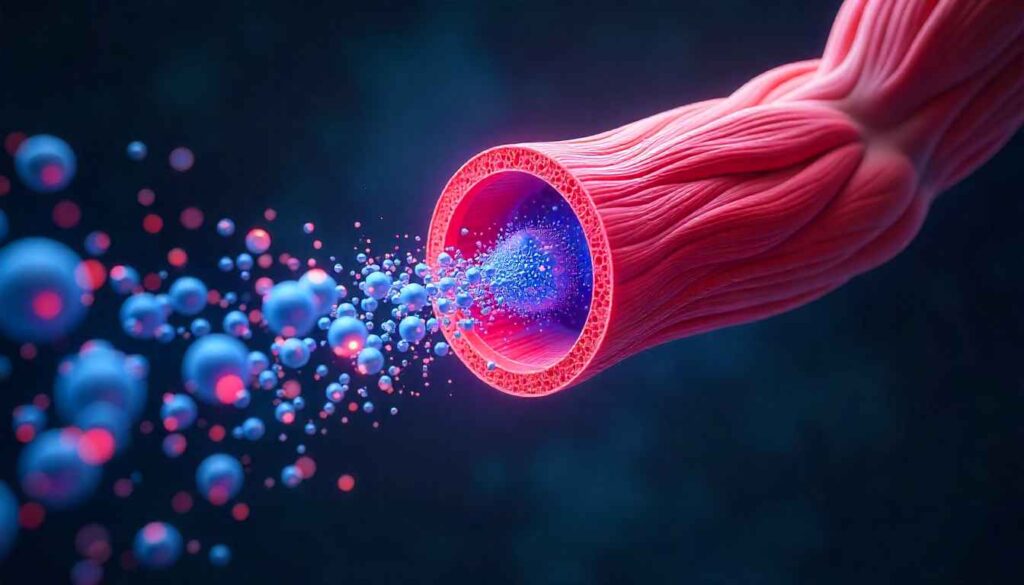
But here’s the critical part: creatine pulls water into your muscle cells. This process is called osmosis. Think of your muscle cells as sponges. When you supplement with creatine, you are essentially filling these sponges with more creatine particles. Naturally, these particles attract and hold onto water. In fact, this is one of the ways creatine contributes to muscle growth: by increasing water content within the cells, which can enhance protein synthesis. A study in the Journal of the International Society of Sports Nutrition confirms that creatine loading increases total body water. This internal shift in fluid is one primary reason your hydration needs change.
So, How Much Water Should You Drink With Creatine? The Practical Formula
Now, for the answer you came for: while it’s a bit tricky to find a one-size-fits-all number, there is a powerful and personalized formula. Forget guessing; let’s use a simple calculation.
A general rule of thumb for the average individual is to drink from half an ounce to one ounce of water per pound of body weight. For someone taking creatine, you want to be at the higher end of that range, if not a little more, especially during the initial loading phase (if you choose to load).
Here is your simple two-step formula:
- Take your body weight in pounds.
- Multiply that number by 0.75 to 1.
The result is the number of ounces of water you should aim to drink each day.
Let’s break that down with an example: If you weigh 180 pounds, your daily water intake should be between 135 ounces (180 x 0.75) and 180 ounces (180 x 1).
- 135 ounces is about 1 gallon.
- 180 ounces is about 1.4 gallons.
Hence, a 180-pounder on creatine should look to drink 1 to 1.4 gallons of water a day. This would ensure your muscles and your system in its entirety get the fluid they need to manage the increased storage of creatine. If you live in a hot climate or train hard, you’ll want to lean toward the higher end of this range. The more you sweat, the more fluids you’re going to lose aside from the baseline creatine hydration requirements.

Do You Need a “Creatine Water Intake Calculator”?
The first few results will likely be from online calculators. The truth is that the above formula is really all the “calculator” you need. The base behind most of those is essentially the same. If you know your weight and activity level, then you can work out your target. Consistency is what it is all about, not complexity. Consistently sticking to this simple math is far more effective than a forgotten bookmark for a website you used once.
The Real Consequences of Not Drinking Enough Water with Creatine
What happens if you ignore this advice? The rumors you’ve heard about creatine and dehydration are founded in truth, though often exaggerated. When your muscle cells are pulling in water and you’re not replenishing your bloodstream and extracellular spaces, your body feels the strain.
The most common side effects of combining creatine with low water intake are:
- Muscle Cramps: Dehydrated muscles are irritable muscles. They are far more prone to seizing up and cramping, both during and after workouts.
- Dehydration Headaches: As the overall fluid volume in your body drops, it can affect blood flow to the brain, triggering tension headaches.
- Digestive Upset: Creatine monohydrate, if not fully dissolved, can draw water into your intestines. Without adequate overall hydration, this can lead to bloating or stomach discomfort for some users.
- Subpar Performance: This is the biggest irony. You take creatine to perform better, but dehydration leads to fatigue, reduced endurance, and weaker contractions. You end up defeating the entire purpose of the supplement.
The idea that creatine itself causes kidney damage in otherwise healthy individuals is a myth. However, chronic dehydration does put a strain on the kidneys, whose job it is to filter waste from your blood. A 2018 review of studies in the Journal of the International Society of Sports Nutrition concluded that creatine supplementation does not harm kidney function in otherwise healthy people. The real risk isn’t the creatine itself; it’s the failure to support it with enough water.
Beyond the Basics: Pro Tips for Optimal Creatine Hydration
Knowing how much water to drink with creatine is the foundation. But how you drink it can make adherence much easier.
1. Pace Yourself Throughout the Day.
Chugging a gallon of water in two sittings is ineffective and uncomfortable. Your body will just flush most of it out. Instead, sip consistently from a large water bottle that you keep with you. A good goal is to finish one 16-20 ounce bottle every 2-3 waking hours.
2. Make Water a Part of Your Routine.
Anchor your hydration to daily habits. Drink a full glass when you wake up, one with every meal, and one during your workout. This “habit stacking” ensures you never have to think about it too hard.
3. Enhance Your Water.
If plain water bores you, you are allowed to make it more appealing! Add natural flavors like lemon, cucumber, mint, or frozen berries. Herbal teas (unsweetened) also count toward your total fluid intake. Just be mindful of caffeine, which can have a mild diuretic effect.
4. Listen to Your Body’s Signals.
The formula is a guide, but your body is the ultimate boss. If you feel thirsty, you are already behind on hydration. Additionally, check the color of your urine. Aim for a pale, straw-like yellow color. Dark yellow urine is a clear sign that you need to drink more water, immediately.
The Final Sip: Making Hydration Your Unfair Advantage
Knowing exactly how much water to drink with creatine turns it from an ordinary supplement into a strategic tool. It is the difference between feeling sluggish and cramped compared to powerful, pumped, and energized. The formula is simple: listen to your body and use your weight as a guide, then make sipping water a seamless part of your day. Not only will marrying your creatine intake with intentional hydration keep you safe from negative side effects, but you’ll be creating an environment within your muscles where strength, recovery, and growth are prioritized. You are giving your body the basic resource it needs to translate the promise of a powder into tangible, felt results. So, fill up your bottle. Your muscles are waiting.
Frequently Asked Questions (FAQ Section)
1. Do I need to drink more water when I first start taking creatine?
Yes, especially if you do a “loading phase” of 20 grams per day for 5-7 days. This rapid saturation of your muscles pulls more water into them quickly, making increased water intake during this period particularly important to avoid side effects.
2. Can I drink coffee or other caffeinated beverages while on creatine?
Yes, you can. While caffeine has a mild diuretic effect, the fluid volume in the coffee itself still contributes to your hydration. Moderate coffee consumption is unlikely to dehydrate you and will not interfere with creatine’s effectiveness. Just be sure to account for it within your total daily fluid intake.
3. What are the signs that I’m not drinking enough water with creatine?
The most common signs are persistent thirst, headaches, muscle cramps, fatigue, and dark-colored urine. If you experience any of these, the first step is to significantly increase your water intake.
4. Does creatine cause water retention or bloating?
Creatine can cause a slight increase in water within the muscle cells (intracellular water), which is a good thing for muscle growth and performance. Some people may feel a temporary “puffiness” or bloating, especially in the initial stages, but this is often mitigated by staying consistently well-hydrated and ensuring your creatine is fully dissolved.
5. Is it possible to drink too much water with creatine?
While rare, it is possible to drink a dangerous amount of water, leading to a condition called hyponatremia (water intoxication). This occurs when electrolytes in the blood become too diluted. However, this requires consuming extreme volumes (several gallons in a short time) and is highly unlikely if you are sipping water consistently throughout the day based on the recommended formula.
All images are generated by Freepik.