You set a beautifully prepared snack in front of your preschooler. They look at it. They poke it. The dreaded word comes: “Yucky.” Sound familiar? You’re not alone. The preschooler palate is uncharted territory, but healthy snack ideas for preschoolers do not have to be an everyday fight. As a matter of fact, snacking is a perfect opportunity. It’s a chance to pack in vital nutrients for their growing bodies and busy brains, all between the main meals.
And the secret does not lie in some kind of posh, organic snack pack. It’s in a little bit of creativity and a lot of fun. When food becomes an adventure, even the most stubborn critic may become a willing taste-tester. Ditch the stress. We have put together a list of simple, delicious, and visually appealing snacks that are as easy to make as they are to eat. Let’s turn snack time from a negotiation into a celebration.
Why Healthy Snacks Matter for Your Preschooler’s World
Preschoolers are little powerhouses of energy. Three meals a day cannot satisfy their small stomachs for all the non-stop playing, learning, and development. Healthy snacking bridges this gap. They prevent energy crashes and mega-meltdowns right before dinner. More importantly, these snacks deliver a powerful punch of the nutrients they need most.
According to the American Academy of Pediatrics, young children require a variety of foods across all food groups as they are in a period of rapid growth. The main nutrient needs at this stage include:
- Protein: For building and repairing muscles and tissues.
- Complex Carbohydrates: For sustained energy to run, jump, and learn.
- Healthy Fats: For crucial brain development.
- Fiber: For a healthy digestive system.
- Calcium and Vitamin D: For building strong, growing bones.
A 2021 study in the Journal of Nutrition Education and Behavior emphasized that children who were offered a wider variety of fruits and vegetables during preschool age had healthier dietary patterns later on. Each snack is an opportunity to teach them lifelong eating patterns in small but important ways.
The Golden Rules for Preschooler Snack Success
Before we dive into the ideas, a few simple strategies can make all the difference. Think of these as your secret weapons.
1. Keep it Miniature.
A giant plate of food can overwhelm a small child. Think bite-sized. Small portions are less intimidating and easier for little hands to manage. Think two-bite muffins, tiny yogurt pots, and small piles of cereal.
2. Make it a Rainbow.
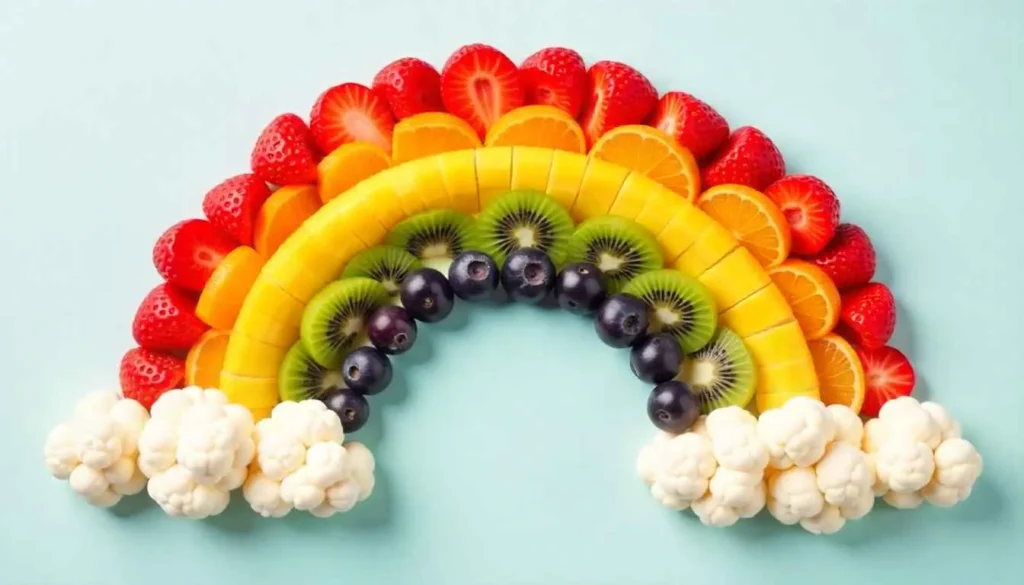
Kids eat with their eyes first. Use the vibrant colors of nature to your advantage. A plate with orange carrots, green cucumbers, red strawberries, and yellow cheese is far more exciting than a monochrome beige snack.
3. Get Them Involved.
When kids help prepare their food, they feel a sense of ownership and are more likely to eat it. They can wash fruit, tear lettuce, stir yogurt, or use cookie cutters. It’s a fun activity and a sneaky nutrition lesson.
4. Offer Choices (But Not Too Many).
Instead of an open-ended “What do you want?” which can lead to a power struggle, try offering two controlled options. “Would you like apple slices or a banana with your peanut butter?” This gives them a sense of control while you remain in charge of the healthy options.
5. Pair the New with the Known.
Introducing a new food? Serve it alongside a familiar favorite they already love. The pressure is off, and they might just be brave enough to give the new food a try.
Our Top Healthy Snack Ideas for Preschoolers
Now for the main event. Here are easy, no-fuss healthy snack ideas for preschoolers that are tried and true.
Fruit & Veggie Favorites: Nature’s Fast Food
Fruits and vegetables are the cornerstone of any healthy snack list. The key is in the presentation.
1. Fruit Kabobs on a Pretzel Stick.
Skip the sharp skewer and use a thick, straight pretzel stick. Thread on chunks of banana, strawberry, melon, and grape. The sweet and salty combination is a guaranteed hit. It’s fun to eat and easy to hold.
2. “Dipping” Veggies with a Twist.
Raw veggies with ranch is a classic, but let’s mix it up. Offer a small cup of hummus, guacamole, or even a thinned-out yogurt-based dressing for dipping. Bell pepper strips, cherry tomatoes, cucumber rounds, and steamed broccoli florets are perfect for dipping.
3. Apple “Cookies.”
Slice an apple crosswise into thick rounds and remove the core. Spread a thin layer of peanut butter, almond butter, or sunflower seed butter on top. Then, let your child decorate their “cookie” with a sprinkle of raisins, chia seeds, or a few chocolate chips.
4. Frozen Yogurt-Covered Blueberries.
Simply dip fresh blueberries in plain yogurt, place them on a parchment-lined tray, and freeze for an hour. They become tiny, popsicle-like bites that are cool, sweet, and packed with antioxidants.
Protein-Packed Power-Ups: For Lasting Energy
Protein helps keep those hunger pangs at bay and stabilizes energy levels.
1. DIY “Lunchable” Snack Box.
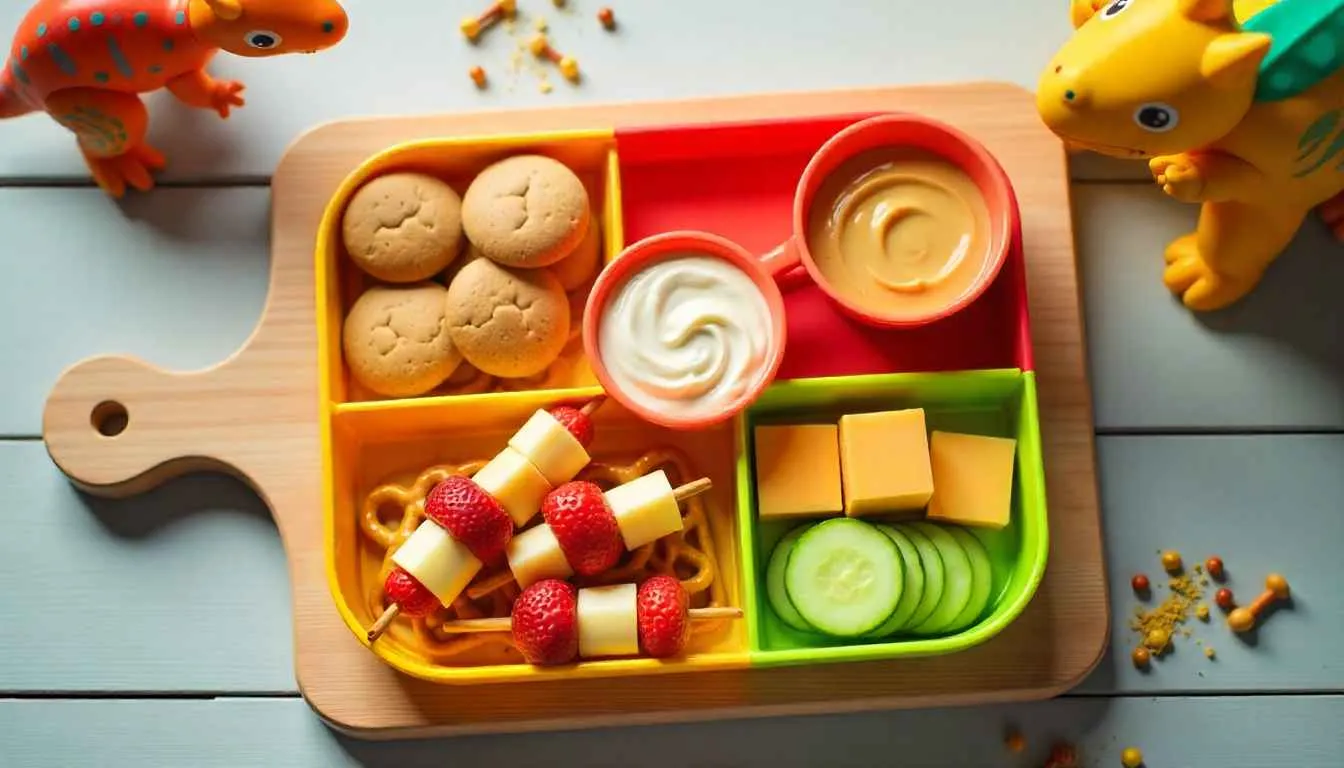
Use a muffin tin or a partitioned plate to create a mini charcuterie board for kids. Fill the sections with cheese cubes, whole-grain crackers, turkey or ham slices, and a few berries. Kids love the variety and the power to create their own mini-bites.
2. Hard-Boiled Egg “Bunnies.”
Hard-boiled eggs are a protein powerhouse. To make them extra fun, simply slice an egg in half and use a small piece of a carrot stick to make two “ears” at the top. It takes two seconds and suddenly eggs are exciting.
3. No-Bake Energy Bites.
In a bowl, mix 1 cup of old-fashioned oats, 1/2 cup of peanut butter, 1/3 cup of honey, 1/4 cup of ground flaxseed, and a handful of mini chocolate chips. Roll into small, bite-sized balls and refrigerate. They are perfect for making ahead and grabbing on the go.
4. Turkey and Cheese Roll-Ups.
Take a slice of turkey and a slice of cheese. Roll them up together and slice into pinwheels. They are simple, savory, and full of protein.
Wholesome Carbohydrates: The Fuel for Fun
Carbs are not the enemy, they are essential energy for active kids. The goal is to choose whole grains and complex carbs.
1. Mini Whole-Wheat Pancake Stacks.
Make a batch of whole-wheat pancakes on the weekend. During the week, you can reheat a couple of mini pancakes for a quick snack. Serve them with a side of apple sauce for dipping or a small smear of nut butter.
2. Sweet Potato “Toast.”
Slice a sweet potato lengthwise into 1/4-inch thick slabs. Toast them until soft. Top with options like cinnamon and a drizzle of maple syrup, or for a savory version, with mashed avocado and a sprinkle of cheese.
3. Healthy “Ants on a Log.”
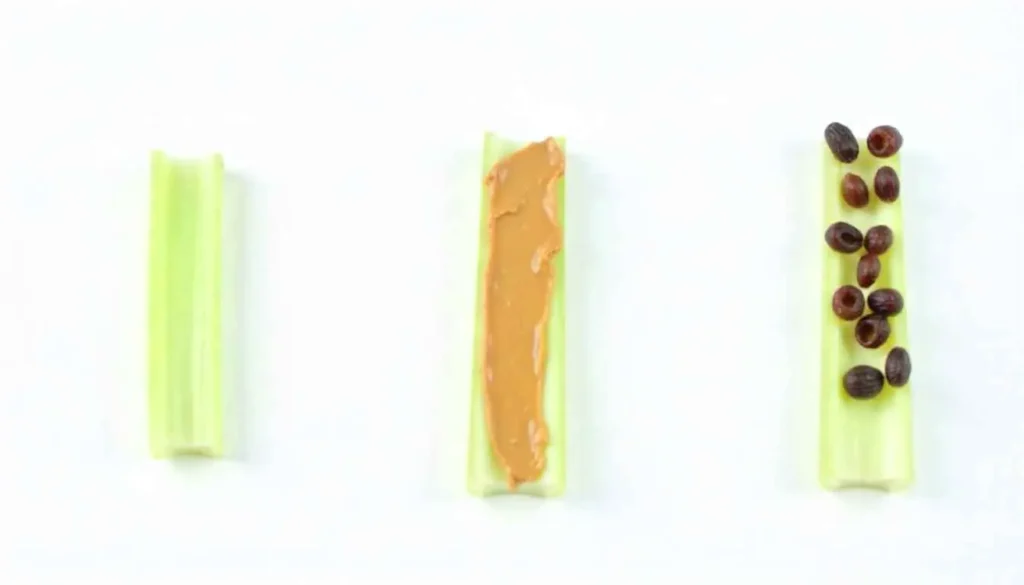
This timeless snack deserves its fame. Fill celery sticks with cream cheese, peanut butter, or hummus. Then, press a line of raisins (“ants”) along the top. It’s crunchy, creamy, and sweet all at once.
Snack Time Solutions for the Picky Eater
If your child falls into the picky eater category, don’t lose hope. The goal is repeated, pressure-free exposure.
- Deconstruct It. If they won’t eat a sandwich, serve the bread, cheese, and turkey separately on a plate. Sometimes, the combination is the issue.
- Play with Names. “Broccoli Florets” are boring. “Baby Trees” or “Dinosaur Food” are much more exciting. A little imagination goes a long way.
- Keep it Consistent. Offer a rejected food again another day. It can take 10-15 exposures for a child to accept a new food. Stay patient and positive.
For more in-depth strategies, you can explore our guide on managing mealtime battles with toddlers, which offers practical psychology for dealing with fussy eaters.
Safety First: A Quick Note on Choking Hazards
- Always keep safety in mind. For preschoolers, you should:
- Cut grapes, cherry tomatoes, and hot dogs lengthwise into quarters.
- Chop nuts and seeds finely or use them as a sprinkle rather than a whole serving.
- Encourage your child to sit down while eating, not to run or play.
- Always supervise snack time.
The Final Bite: Your Snack Time Victory
Finding winning healthy snack ideas for preschoolers is less about being a gourmet chef and more about being a playful food guide. It’s about turning a piece of fruit into a skewer, a vegetable into a dipping adventure, and a hard-boiled egg into a bunny. These small moments of creativity do more than just fill their tummies. They build a positive and curious relationship with food that can last a lifetime. So, take a deep breath, raid your fridge and pantry, and get ready for your little one to ask for “more, please.”
Frequently Asked Questions (FAQ Section)
1. What are some easy, no-prep healthy snack ideas for preschoolers?
Some of the easiest options include a piece of whole fruit (like a banana or clementine), a cheese stick, a small cup of yogurt, a handful of whole-grain cereal, or pre-packaged unsweetened applesauce pouches.
2. How can I make healthy snacks more appealing to my picky preschooler?
Involve them in the process, use fun shapes and colorful presentations, and give the snacks silly names. Making food visually interesting and interactive is often the key to winning over a picky eater.
3. Are store-bought snack packs a healthy option?
Some can be, but you must read the labels carefully. Many are high in added sugar, sodium, and artificial ingredients. Look for options with minimal ingredients, no added sugar, and ones that incorporate whole foods like fruits, vegetables, and whole grains.
4. How often should my preschooler have a snack?
Most preschoolers do well with one mid-morning and one mid-afternoon snack. This helps maintain their energy levels between breakfast, lunch, and dinner. Pay attention to your child’s hunger cues to find the right rhythm.
5. What are some healthy, store-bought snacks I can keep on hand?
Good staples to have include whole-grain crackers, unsweetened applesauce pouches, low-sugar yogurt, cheese sticks, single-serving packs of nut butter, unsalted rice cakes, and frozen fruit bars with no added sugar.
All images in this blog are generated using Freepik.