
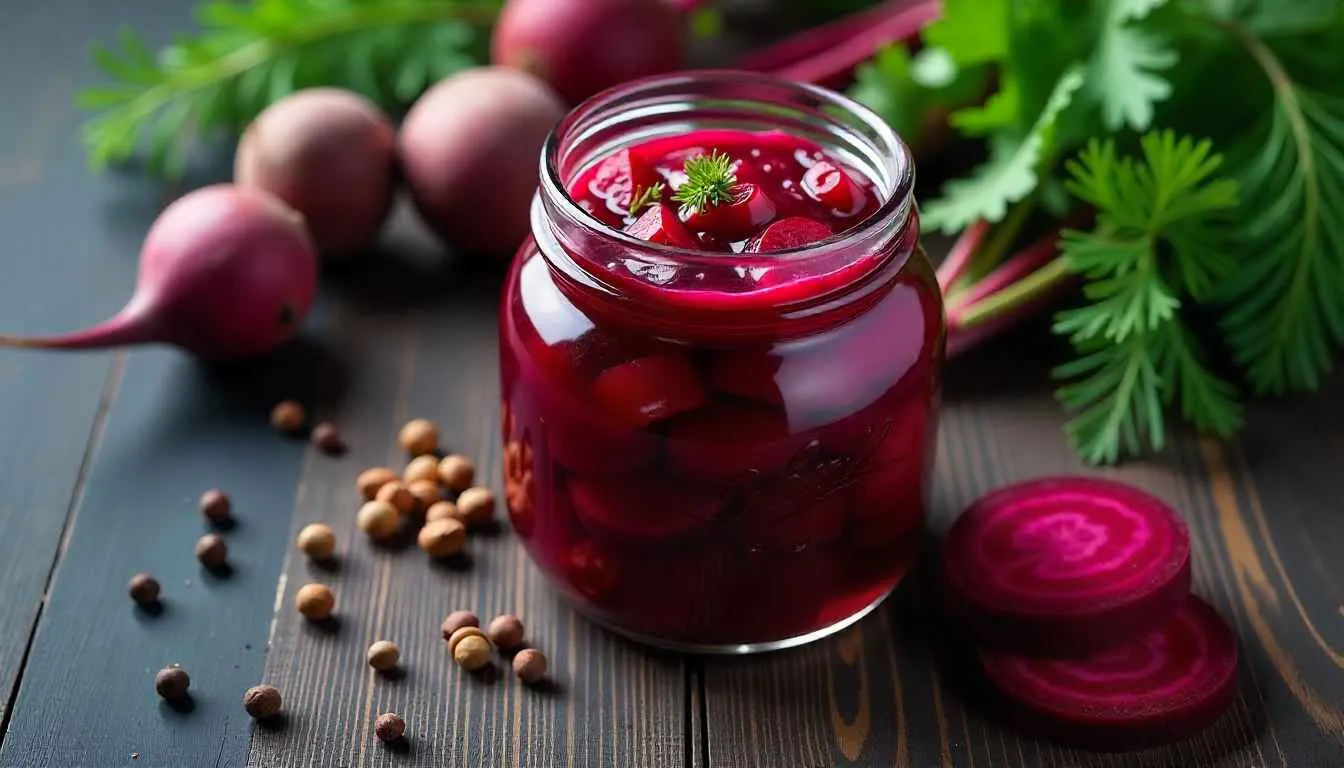
That vibrant, ruby-red condiment sitting next to the relishes and pickles, pickled beets often end up as a simple garnish. However, what if this sweet and tangy side dish actually hides some impressive health credentials? Or, on the flip side, what if it turns into a secret sugar bomb in disguise?
The debate over whether pickled beets are healthy feels like a tale of two jars. On one hand, fresh beets deliver powerful nutrition, packed with essential vitamins and unique compounds. On the other hand, many pickling recipes load them with sugar and sodium, which quickly undermines those natural benefits.
So, if you’ve ever wondered whether that tangy spoonful helps or hurts your wellness goals, you’re not alone. In fact, this guide takes you through the details step by step. As you read on, you’ll discover how the process of pickling changes the beet, what that means for your health, and how you can enjoy this classic food without the drawbacks.
The Root of the Matter: Why Beets Themselves Are a Superfood
To understand pickled beets, we must first appreciate the raw material. Beets are incredibly nutrient-dense vegetables, and many of their benefits are preserved through the pickling process.
Key nutrients in beets include:
- Dietary Fiber: Essential for digestive health, blood sugar control, and maintaining healthy cholesterol levels.
- Folate (Vitamin B9): Crucial for cell growth, DNA synthesis, and especially important during pregnancy.
- Manganese: A mineral that supports bone health, metabolism, and antioxidant function.
- Potassium: Helps regulate fluid balance, nerve signals, and muscle contractions.
- Nitrates: Compounds that can improve blood flow and lower blood pressure by converting to nitric oxide in the body.
- Betalains: The pigments that give beets their brilliant color; these are potent antioxidants with anti-inflammatory properties.
This powerful nutritional profile is the foundation. The health impact of your pickled beets depends on how much of this goodness is preserved and what isn’t added during pickling.

The Bright Side: 4 Potential Health Benefits of Pickled Beets
When prepared thoughtfully, pickled beets can offer some genuine advantages.
1. Support for Heart Health
Researchers have studied the naturally occurring nitrates in beets for years, showing that they improve blood vessel function and lower blood pressure. Even though the pickling liquid may reduce some of the nitrate content, the beets themselves still provide a significant amount. As a result, you can continue to enjoy many of their heart-friendly benefits when you eat them in pickled form.
2. Rich in Antioxidants
The betalain pigments that give beets their signature color are powerful antioxidants. These compounds help combat oxidative stress and inflammation in the body, which are linked to chronic diseases. The canning process doesn’t destroy these beneficial compounds.
3. Digestive Health Boost
Beets provide a solid source of fiber, which supports regularity and nourishes the beneficial bacteria in your gut. Moreover, if you opt for fermented pickled beets instead of those preserved only in vinegar, you gain an extra advantage probiotics. These live cultures play a key role in maintaining a balanced and healthy gut microbiome.
4. Nutrient Density for Few Calories
Pickled beets provide a range of vitamins and minerals for a relatively low calorie count. This makes them a nutrient-efficient food, meaning you get a big bang of nutrition for your calorie buck.
The Other Side of the Jar: 3 Health Considerations
The main drawbacks of pickled beets aren’t from the beets themselves, but from what’s often added to them.
1. High Added Sugar Content
This is the biggest concern. Many commercial brands add significant sugar to the brine to balance the vinegar’s acidity and enhance the beets’ natural sweetness. Some brands list sugar or high-fructose corn syrup as the second ingredient. A single half-cup serving can contain 10-20 grams of added sugar, which can quickly derail a healthy diet.
2. High Sodium Levels
Like all pickled products, salt is a key preservative and flavor agent. A serving can contain 15-20% of your daily recommended sodium intake. For those watching their blood pressure, this is a major factor to consider.
3. The Fermentation Misconception
Most pickled beets on the supermarket shelf are vinegar-pickled, not fermented. This means they are made by pouring a hot vinegar-sugar-salt brine over cooked beets. This process does not create probiotics. True fermented beets are made with a saltwater brine and develop beneficial bacteria, but they are less common and usually found in the refrigerated section.
Fermented vs. Vinegar-Pickled: A Crucial Health Distinction
Understanding this difference is key to answering Are pickled beets healthy?
- Fermented Pickled Beets: Made with a saltwater brine. Natural bacteria ferment the natural sugars, producing lactic acid, probiotics, and a tangy flavor. These are the true gut-health superstars.
- Vinegar-Pickled Beets (Common): Made with a vinegar-based brine, often with added sugar. They are pasteurized and shelf-stable. This process gives a sweet-and-sour flavor but offers no probiotic benefits.

How to Pick the Healthiest Jar (Or Make Your Own)
You can absolutely enjoy pickled beets as part of a healthy diet; you just need to know what to look for.
At the Grocery Store:
- Read the Ingredient List: The shortest list is best. It should say: beets, water, vinegar, salt, and maybe spices. Avoid brands where sugar or high-fructose corn syrup is listed as one of the first two ingredients.
- Check the Nutrition Label: Look for brands with the lowest “Added Sugars” and “Sodium” per serving. Low-sodium pickled beets do exist and are a great find.
- Seek Out “Fermented”: For probiotic benefits, look for brands like “Cleveland Kitchen” or “Bubbies” in the refrigerated section. The label should say “fermented,” “live cultures,” or “unpasteurized.”
Making Your Own (The Best Option):
This gives you complete control. You can make a healthier version by:
- Reducing or Omitting Sugar: Use a touch of honey, maple syrup, or skip the sweetener entirely. The beets are naturally sweet!
- Controlling the Salt: Use less salt than traditional recipes if you’ll be eating them quickly.
- Trying Fermentation: For the biggest health boost, try lacto-fermenting your beets with just salt, water, and spices.
Conclusion
So, are pickled beets healthy? Yes, but with caveats. They retain many of the inherent nutrients of beets. To make them a truly healthy choice, opt for low-sugar, low-sodium varieties, or, best of all, make your own fermented version at home to unlock probiotic benefits.
For more inspiration on incorporating best daily practices for your health, explore our guide on Yoga Routine for Better Sleep. And to understand more about the effects of added sugar, Harvard Health provides excellent resources.
All images in this post are generated by Freepik.