
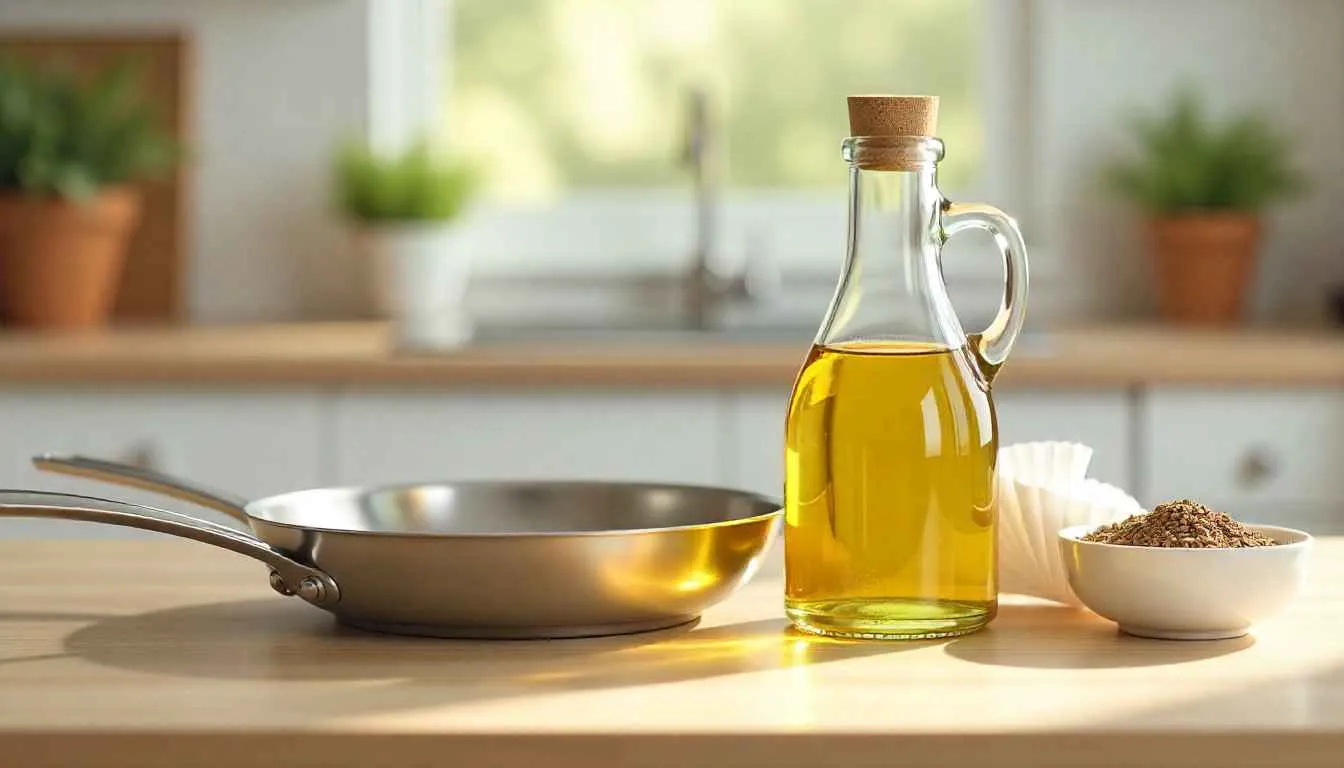
That post-fry glow is a beautiful thing. The crispy chicken, the golden French fries, the perfect samosa. But then, you’re left staring at a pot or pan of cooled, used cooking oil. What now? If your first thought is to pour it down the drain, please stop right there. That single action can clog your pipes, harm local waterways, and cause major problems.
The good news is that used oil isn’t just waste. With a little know-how, it can be a resource. It can save you money, fuel your garden, or even help others. So, let’s transform the way you see that leftover liquid. This guide will walk you through everything you need to know, from simple storage tricks to creative reuse ideas and responsible disposal methods.
First Things First: How to Handle Oil Safely After Cooking
Before you even think about reuse or disposal, you need to handle the oil correctly. Safety is your top priority. Never try to move a pot of hot oil. Let it cool completely on the stove. I always let it come to room temperature; this is non-negotiable.
As it cools, you can skim out any large food particles with a slotted spoon or fine mesh strainer. This simple step makes the oil much better for reuse and easier to store later on. Once it’s cool, the real decisions begin. Your path forward depends on the oil’s quality and your own interests.
The Golden Rule: How to Store Used Cooking Oil Properly
If you plan to reuse your oil, proper storage is everything. Storing it wrong will make it go rancid quickly, ruining any chance of a second life.
Your best friend for this job is a clean, airtight container. A glass jar with a tight-sealing lid is perfect because it won’t absorb odors. A dedicated plastic container works too, as long as it’s food-safe. Make sure whatever you use is completely clean and dry before you pour the oil in.
Now, where should you keep it? Always store your used cooking oil in a cool, dark place. A kitchen cupboard away from the stove or oven is ideal. Heat and light are the enemies of oil, speeding up spoilage. If you’ve strained it well and it was only lightly used, you can expect it to last for a month or two stored this way. For longer storage, the refrigerator is a great option. The cold will cause the oil to cloud and thicken, but it will return to its liquid state at room temperature.

Can You Reuse Cooking Oil? Let’s Get Frying Again
This is one of the most common questions I get, and the answer is a resounding yes, you often can. Reusing frying oil is a fantastic way to reduce waste and get more value from your ingredients. However, you need to know when it’s still good and when it’s time to let it go.
So, how can you tell if your oil is still good for another round? Trust your senses.
- Look at it: If the oil is dark and murky, it’s probably past its prime. Fresh oil is clear and light.
- Smell it: Oil that has gone bad or is overly used will have a sharp, acrid, or unpleasant smell. If it doesn’t smell neutral or faintly of the food you cooked, it’s time to retire it.
- Check for foam: If the oil foams excessively when it heats up, that’s a sign of breakdown.
As a general rule, oil used for frying breaded foods or foods with a high moisture content (like potatoes) can often be reused. On the other hand, oil used for frying fish or strongly flavored foods will carry those flavors over to the next thing you cook. It’s best to dedicate that oil to similar dishes or dispose of it.
A Simple Guide on How to Clean Used Cooking Oil for Reuse
Want to give your oil the best chance at a second life? Cleaning it is straightforward. After the oil has cooled but is still liquid, strain it through a fine-mesh sieve lined with a few layers of cheesecloth or a coffee filter. This will remove the tiny food particles that cause the oil to break down faster. Then, just pour the clean, strained oil into your airtight storage container.
Beyond the Frying Pan: Creative Uses for Used Cooking Oil
Frying isn’t the only destiny for your leftover oil. It can play a surprising number of roles in your home. Here are a few creative ways to put it to work.
1. Create Homemade Firestarters
This is a brilliant and practical use. Soak old dryer lint or sawdust in used cooking oil, then stuff it into an empty cardboard egg carton. Tear off one section at a time to use as a highly effective firestarter for your fireplace, fire pit, or campfire.
2. Craft Your Own Soap
With some caution and the right materials (like lye), you can transform used oil into homemade soap. This is a more advanced project, but it’s incredibly rewarding. It’s a process called saponification. There are many great tutorials online, but always prioritize safety with proper equipment and ventilation.
3. Make a Natural Bird Feeder
Mix used cooking oil with birdseed and a little flour to create a sticky dough. Press it into a pinecone or a molded shape, and hang it outside. The oil helps bind the seeds and provides a high-energy snack for your backyard birds, especially in the colder months.
4. Condition Your Garden Tools
A light coat of used cooking oil can prevent rust on your shovels, trowels, and other metal garden tools. Simply wipe them down with a thin layer of oil before storing them for the winter. It’s a natural and effective protectant.
The Responsible Path: How to Dispose of Cooking Oil at Home
When your oil is finally too used up for any other purpose, it’s time for disposal. The goal is to keep it out of your plumbing and our ecosystems.
The absolute best and easiest method is solidification. All you need to do is pour the cooled oil into a non-recyclable container, like an old milk carton, a takeout container, or a can. You can mix in kitty litter, sawdust, or coffee grounds to help it absorb and solidify faster. Once the oil is a solid mass, you can simply seal the container and toss it in your regular trash.
This method contains the mess completely and prevents leaks in your garbage bin. It’s a simple, foolproof solution that anyone can do. Remember, you should never pour cooking oil down the sink, into the toilet, or onto the ground.

Can You Donate Cooking Oil? Exploring a Bigger Impact
You might be wondering about the cooking oil donation. While a single household typically can’t donate small amounts of used oil, the concept is very real on a larger scale. Restaurants and food processing plants often have programs to collect their used oil for conversion into biofuel.
This is a fantastic, large-scale recycling effort that turns waste into renewable energy. If you are a part of a community group, school, or small business that generates large, consistent amounts of used oil, it’s worth searching for a “cooking oil donation” or “used oil recycling” program in your local area. Companies like Seven Barrels are great resources for finding local sustainability programs and the right containers for collection.
Your Kitchen, Your Planet: A Final Thought
That pot of used oil is more than just a cleaning challenge. It’s a small test of our mindfulness in the kitchen. By choosing to store, reuse, or dispose of it responsibly, we make a conscious choice against waste. We choose to extend the life of our ingredients, protect our homes from plumbing disasters, and show a little more care for the world right outside our window.
It’s in these small, daily habits that truly sustainable living is built. Next time you fry up something delicious, you’ll know exactly what to do. And if that cooking adventure has inspired you to try something new, explore the countless inspiring ideas over at DoDewMart, where great food and smart kitchen habits always go hand in hand.
All images in this post are generated by Freepik.