That Signature Claussen Crunch: Healthy Habit or Hype?
There’s no mistaking that distinct snap when you open a jar of Claussen pickles. That cold, crisp crunch has made them a refrigerator staple for decades. But when you’re trying to eat healthier, every food choice matters. That delicious pickle spear perched on your plate might make you wonder: are Claussen pickles healthy, or are they just a tasty temptation?
It’s a great question. Pickles sit in a nutritional gray area. They’re made from cucumbers, which are undoubtedly healthy, but they’re also swimming in a brine of salt and vinegar. Understanding what’s in that jar can help you decide if Claussen’s products deserve a spot in your diet.
Whether you’re curious about pickles for weight loss, watching your sodium, or just love that signature crunch, we’re diving deep into the nutrition facts, the benefits, and the drawbacks. Let’s unpack the truth about this beloved brand.
What Exactly Are Claussen Pickles? (The Refrigerator Difference)
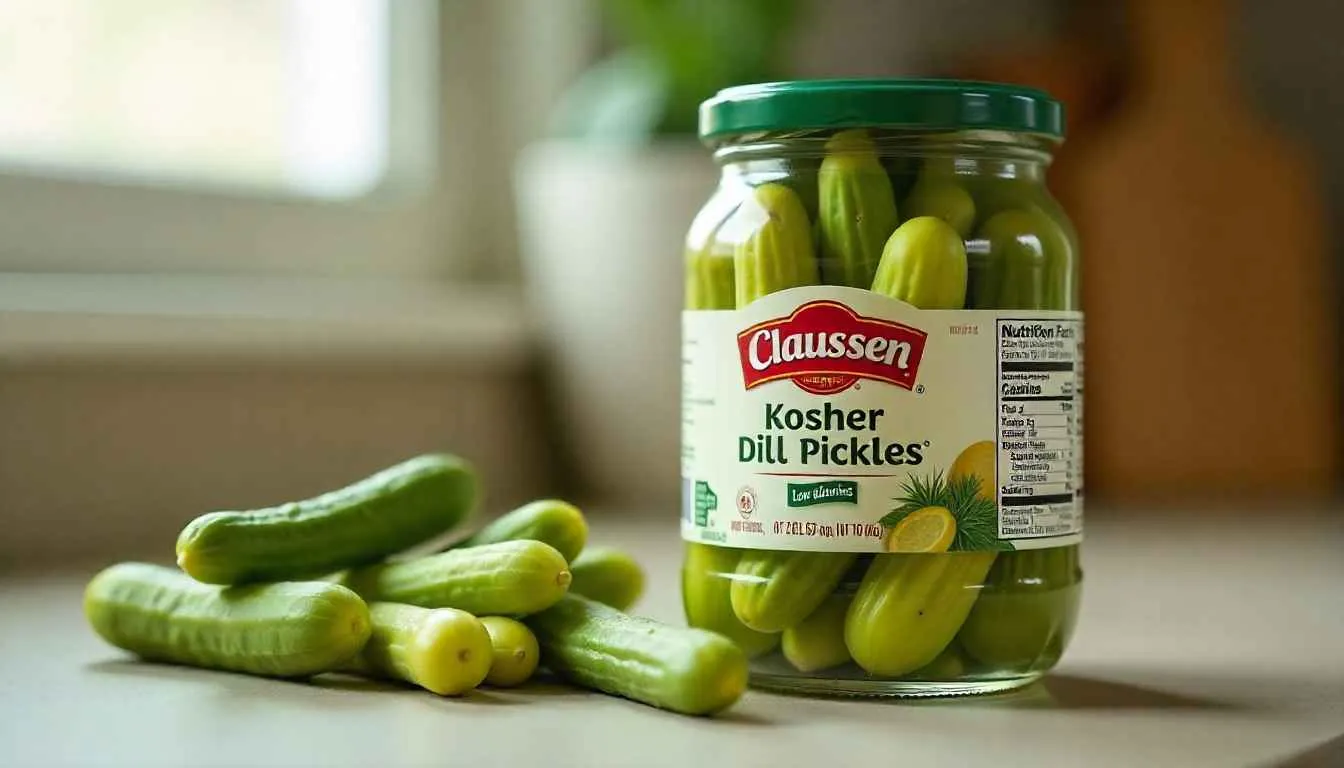
First, it helps to know what makes Claussen different. Unlike most shelf-stable pickles, Claussen pickles are never heat-pasteurized. They’re known as “refrigerator pickles” because they’re kept cold from production to your grocery store aisle.
This cold-brining process is why they maintain that incredible, fresh-cucumber crunch. But it also means they have a shorter shelf life and need to stay refrigerated. This traditional method uses a simple brine of:
- Cucumbers
- Water
- Vinegar
- Salt
- Garlic
- Dill
- Natural flavors
- Preservatives like sodium benzoate and calcium chloride
The simplicity of the ingredient list is a point in their favor, with no artificial colors or mysterious chemicals.
The Nutritional Lowdown: Claussen Pickles by the Numbers
Let’s look at the facts. Based on a standard Claussen Dill Pickle Spear:
- Calories: 5
- Fat: 0g
- Carbohydrates: 1g
- Sugar: 0g
- Protein: 0g
- Sodium: 280mg
The immediate takeaway? Claussen pickles are ultra-low in calories and free of fat and sugar. This macronutrient profile is why they’re often featured in discussions about healthy pickles and whether pickles are a good snack for weight loss.
The standout number for better and for worse is the sodium content.

The Pros: Why Claussen Pickles Can Be a Healthy Choice
1. The Ultimate Low-Calorie Snack
At just 5 calories per spear, you can enjoy a Claussen pickle without derailing your calorie budget. This makes them a fantastic choice for volume eating, satisfying a craving for something crunchy and salty without a calorie penalty. For this reason, many people consider them a great option for weight loss.
2. They’re Hydrating
Pickles are, quite literally, cucumbers soaked in water. They can contribute to your daily fluid intake, which is crucial for metabolism and overall health.
3. Gut Health Potential
As a fermented food (though most Claussen pickles are vinegar-brined, not fermented), they can contain probiotics that support a healthy gut microbiome. However, the levels are likely lower than in traditionally fermented pickles.
4. May Curb Cravings
The powerful combination of salty and sour can help satisfy cravings for more unhealthy, processed snacks. Reaching for a pickle instead of a bag of chips is a definite win.
The Cons: The Sodium Elephant in the Room
The primary health consideration with Claussen pickles is their high sodium content.
The Sodium Situation:
- 1 Spear: ~280mg sodium
- 1/3 of the jar ( approx. 4 spears): ~1,100mg sodium
The American Heart Association recommends no more than 2,300mg of sodium per day, with an ideal limit of 1,500mg for most adults. It’s very easy to consume half your daily sodium or more if you enjoy several pickles in one sitting. High sodium intake is linked to high blood pressure, water retention, and an increased risk of heart disease and stroke. This is the biggest argument against considering them an unconditionally healthy snack.
Claussen Pickles and Weight Loss: Friend or Foe?
So, are pickles healthy for weight loss? The answer is nuanced.
They can be a friend because:
- Their low calorie count supports a calorie deficit.
- They provide a flavor punch that can make healthy eating more enjoyable.
- The crunch factor provides sensory satisfaction.
They can become a foe if:
- The high sodium causes water retention, masking actual fat loss on the scale.
- The saltiness increases your overall appetite and cravings.
- You consume them in very large quantities, pushing your sodium intake to extreme levels.
For weight loss, they are best used as a tool, a low-calorie, flavorful garnish or snack rather than a food you eat in large volume.
How Do Claussen Pickles Compare to Other Brands?
When evaluating healthy pickle brands, context is key. Claussen holds its own, especially compared to sugary relishes or sweet pickles.
- vs. Vlasic Kosher Dill Spears: Very similar in sodium and calories.
- vs. Mt. Olive Kosher Dill Spears: Also nearly identical nutritionally.
- vs. “Low Sodium” Brands: This is where Claussen falls short for sodium-sensitive individuals. Brands like Vlasic Low Sodium or Mt. Olive Lower Sodium contain about 50-60% less sodium per serving.
- vs. Homemade Fermented Pickles: Homemade versions can have less sodium and more live probiotics, but they lack the convenience of Claussen.

The Verdict: Are Claussen Pickles Healthy?
Yes, Claussen pickles can be part of a healthy diet with one major caveat: moderation.
They are a fantastic, low-calorie way to add flavor and crunch. However, they are a condiment or an occasional snack, not a health food to be consumed in large quantities due to their high sodium content.
Enjoy them wisely by:
- Limiting yourself to 1-2 spears at a time.
- Balancing them with other low-sodium foods throughout the day.
- Drinking plenty of water to help process the sodium.
- Choosing true fermented pickles if probiotic benefits are your main goal.
For more ideas on smart snacking that supports your goals, check out our guide to Low Calorie Options at Starbucks. And to understand more about sodium’s impact on your body, the Guideline for Low Sodium Diet is an excellent resource.
All images in this post are generated by Freepik.